
Solo agent and team websites
A personal-brand site with your listings, sold history, neighborhood guides and a lead form that reaches your phone or CRM. Team sites add agent profiles and lead assignment by town or price band.

NixMar Studio builds real estate websites for agents, teams and brokerages in Greenwich, Fairfield County and lower Westchester.
Agent and brokerage websites from $2,500 · landing pages from $699
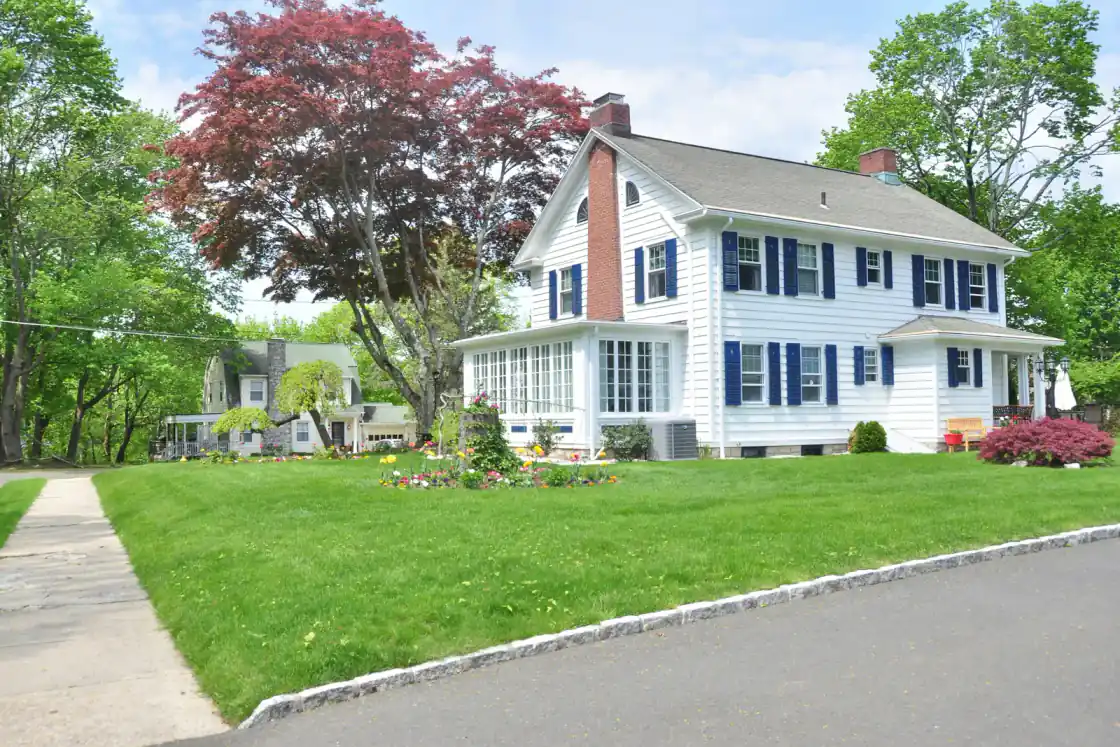
Buyers shopping around Greenwich rarely stop at the town line: a family relocating from Manhattan compares Riverside with Rye. Your website has to follow them across those markets and still feel like yours, not a franchise template.
A personal-brand site with your listings, sold history, neighborhood guides and a lead form that reaches your phone or CRM. Team sites add agent profiles and lead assignment by town or price band.
Office pages, an agent directory, recruiting pages and brokerage-wide IDX search, with tracked links each agent can share.
Franchise agent pages share one domain and one template, so the search visibility belongs to the franchise. A site on your own domain builds rankings you keep if you ever change brokerages.
The strongest real estate website examples share a few habits: they speak to sellers as much as buyers, prove local results and make every listing look its best on a phone. For NixMar's own recent work, see our portfolio.

Listings are won from sellers, so lead with a home-valuation request and your recent sales, not only the search bar every portal already has.
Full-screen photos, a video walkthrough and floor plans on one page you can share in emails, ads and social posts.
Recent sales grouped by neighborhood, where your MLS rules allow it, show sellers you already know their street and what homes there sell for.
Why you sell where you live and how you work, in your own voice, with links to your public reviews.
Greenwich is unusual: the Greenwich Association of Realtors owns its own multiple listing service, most other Connecticut towns list through SmartMLS, and Westchester listings sit in OneKey MLS. An agent who works Old Greenwich and Rye may need all three feeds on one site. Our Greenwich MLS vs SmartMLS vs OneKey guide compares coverage, IDX approval and fees.
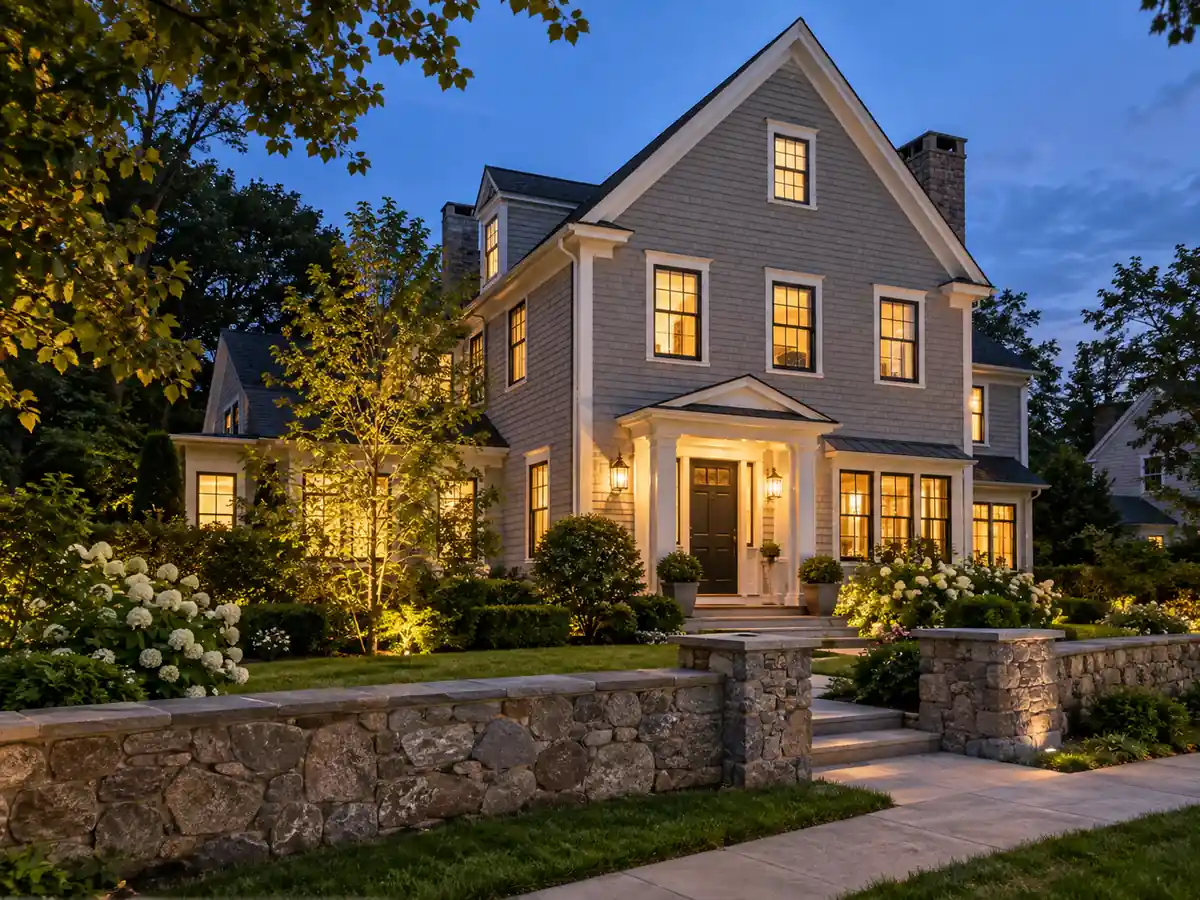
Run by the Greenwich Association of Realtors since 1954. We connect it through an approved IDX vendor so Greenwich, Cos Cob, Riverside and Old Greenwich listings appear in your search.
SmartMLS covers most of Connecticut, including Stamford, Darien, Norwalk and Westport, and adds the rest of Fairfield County to the same search.
OneKey MLS covers Westchester and much of downstate New York, so Rye, Port Chester, Harrison, Scarsdale and White Plains listings can sit beside your Connecticut inventory.
A home listed in two MLSs should appear once. We match records on address and listing details, keep the listing agent's primary record and show the attribution each MLS requires.
Every MLS sets its own rules for listing-broker attribution, disclaimers, logos and refresh frequency. We configure them per feed and review them when an MLS updates its policy.

Portals win generic searches; local agents win specific ones. We build a page for each village or neighborhood you actually sell, such as Riverside, Old Greenwich, Byram or Glenville, with your own commentary, live IDX results filtered to that area, commute notes you've verified and a monthly market snapshot from MLS data.
We also add plain-English guides to the questions buyers now ask, such as written buyer agreements after the NAR settlement practice changes of August 2024. Our local SEO service keeps those pages growing after launch.

Both states regulate licensee advertising, and a website counts. We build the required items into the templates so they appear on every new page automatically. For the page-by-page detail, read our guide to Connecticut real estate website rules.
The Department of Consumer Protection's 2024 advertising guidance says licensee websites must show the name as it appears on the license, a phone number or email address, and the last date property information was revised, unless it updates automatically from the MLS.
Sites for salespeople and associate brokers must show the supervising licensee's name and phone or email in at least the same font size as the agent's. A group can't present itself as a team unless it is registered as one.
Every licensee and team website must prominently display a link to the Department of State's Fair Housing Notice on its homepage (19 NYCRR 175.29).
Brokers must post their standardized operating procedures on each public website and app; agent sites post them or link to the broker's copy (Real Property Law § 442-h).
This is general information, not legal advice. Your managing broker has the final say on what your advertising must include.
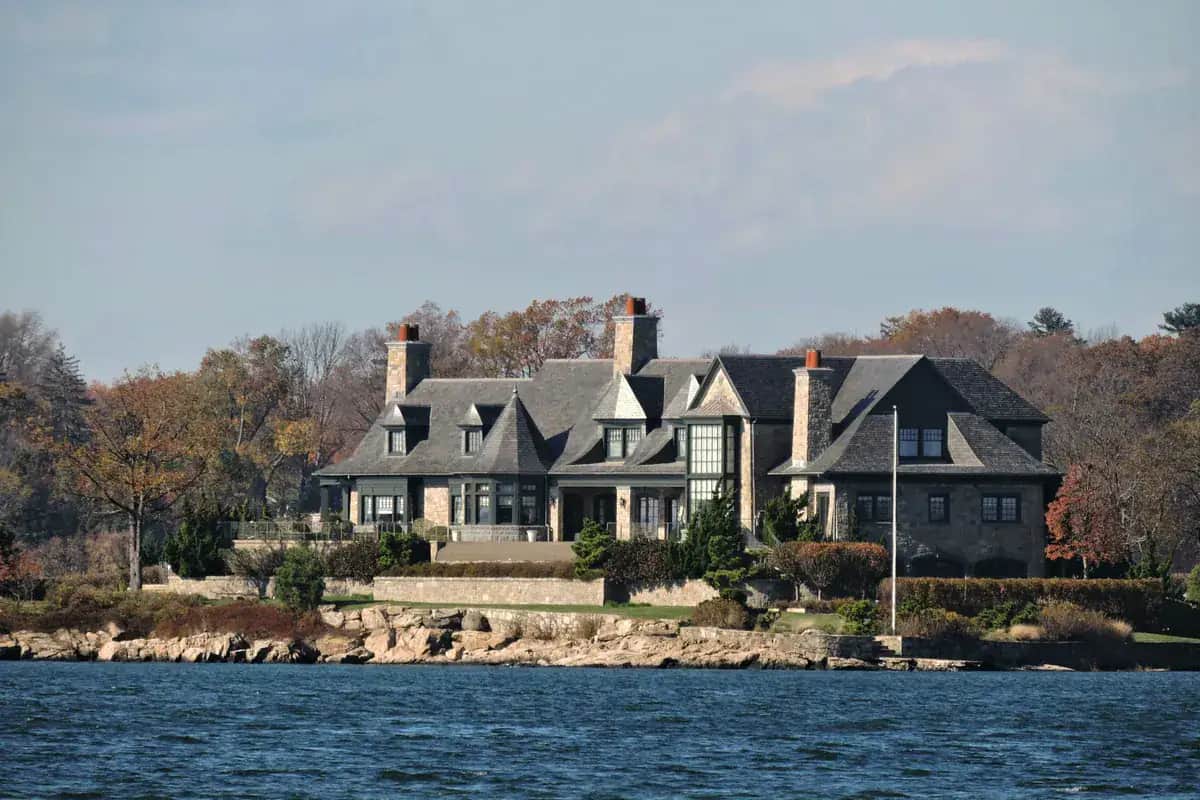
Listing sites are photo-heavy, which is why so many are slow on phones. We serve every image in modern formats at the size each screen needs, lazy-load gallery photos, cache IDX results and build to WCAG 2.2 AA so search filters work with a keyboard. Read why Core Web Vitals matter for Connecticut businesses.
Agents usually choose between a general website builder, a real estate website platform that bundles listing search and a CRM for a monthly fee, or a custom site built around your brand, towns and MLS feeds that you own outright.
| Factor | Template or website builder | Real estate website platform | Custom website with NixMar |
|---|---|---|---|
| Upfront cost | Lowest: a monthly plan plus your time | Monthly subscription, sometimes a setup fee | Fixed quote, from $2,500 |
| Listing search | Add-on widget, if supported | Built in, for the MLSs it supports | All three local MLSs in one search, as your memberships allow |
| SEO and speed | Basic settings; depends on the theme | Varies; check page speed | Fast pages with neighborhood content |
| If you leave | Content is yours; the design usually stays | Check the contract: design and content may stay | You own the code, domain and content |
| Time to launch | Days, if you build it yourself | Usually quick, on a template | Typically 3 to 5 weeks |

We confirm your MLS memberships, brokerage rules, CRM and the towns you actually sell in, then send a fixed-scope quote.
Homepage, search, listing and neighborhood templates designed for your brand and reviewed with you before we build.
We build the site, connect each IDX feed once your MLS approves the vendor agreement, and load your content.
Redirects from your old site, Search Console and analytics, and a walkthrough so your team can publish neighborhood updates.
Agent and brokerage websites start at $2,500. A single-property or campaign landing page starts at $699. IDX vendor and MLS data fees are billed by those providers and vary by MLS. A custom CRM, agent portal or transaction dashboard starts at $10,000. You get a fixed-scope written quote before any work begins; compare every package on our pricing page.
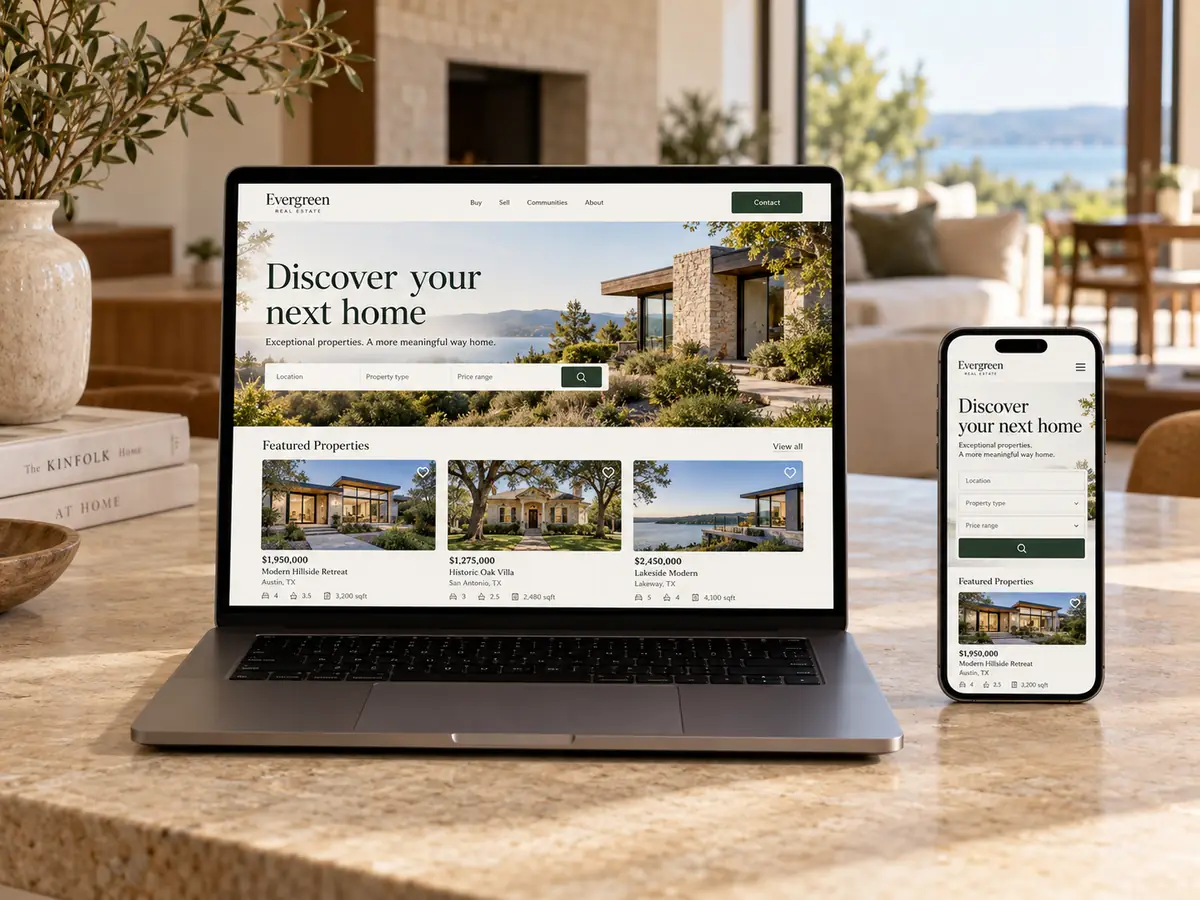
One on your own domain that shows live listings from every MLS you belong to, sends buyer and seller leads to your CRM and loads fast on a phone. Builders and agent platforms cover the basics; a custom site adds your own design, neighborhood content and full ownership, from $2,500.
Yes, if you participate in each MLS and each one approves the IDX vendor. We merge the feeds into one search, show each property once, and display the attribution and disclaimers every MLS requires.
Under the Department of Consumer Protection's 2024 guidance: the name as it appears on the license, a phone number or email, and the last date property information was revised, unless it updates automatically from the MLS. Agent sites also show the supervising broker's name and contact details in at least the same font size.
Yes. New York requires a prominent link to the Department of State's Fair Housing Notice on the homepage of every licensee website, and brokers must post their standardized operating procedures, which agent sites can link to.
Agent and brokerage websites start at $2,500 and landing pages at $699. IDX vendor and MLS data fees are paid to those providers. You receive a fixed-scope quote before we start.
Planning a new real estate website?
Tell us your MLS memberships, the towns you cover and the CRM you use. We'll reply with a fixed-scope quote.